
Structural timber
Every roof, floor and timber frame starts with a calculation, and that calculation assumes the timber on site has a specific strength. When the delivered wood does not match the strength class in the design, an inspector can reject it and the whole build stalls. Structural timber that is graded, marked and documented correctly removes that risk from the outset. Vandecasteele Houtimport supplies strength-graded softwood and hardwood with CE marking and a declaration of performance.
Build with timber that matches the calculation
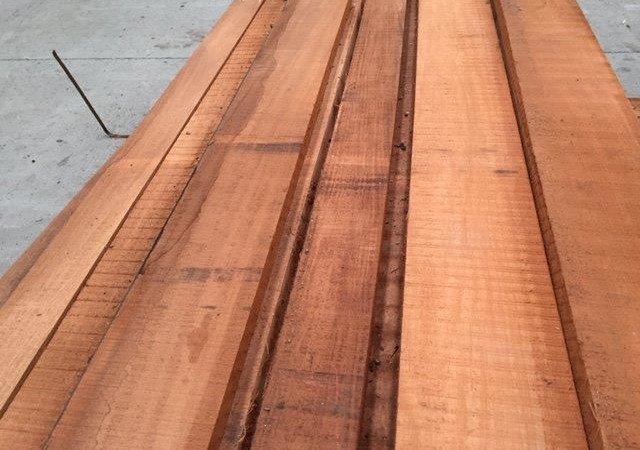
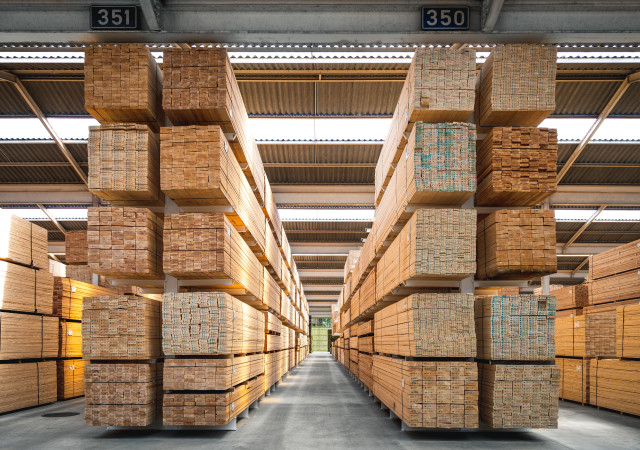
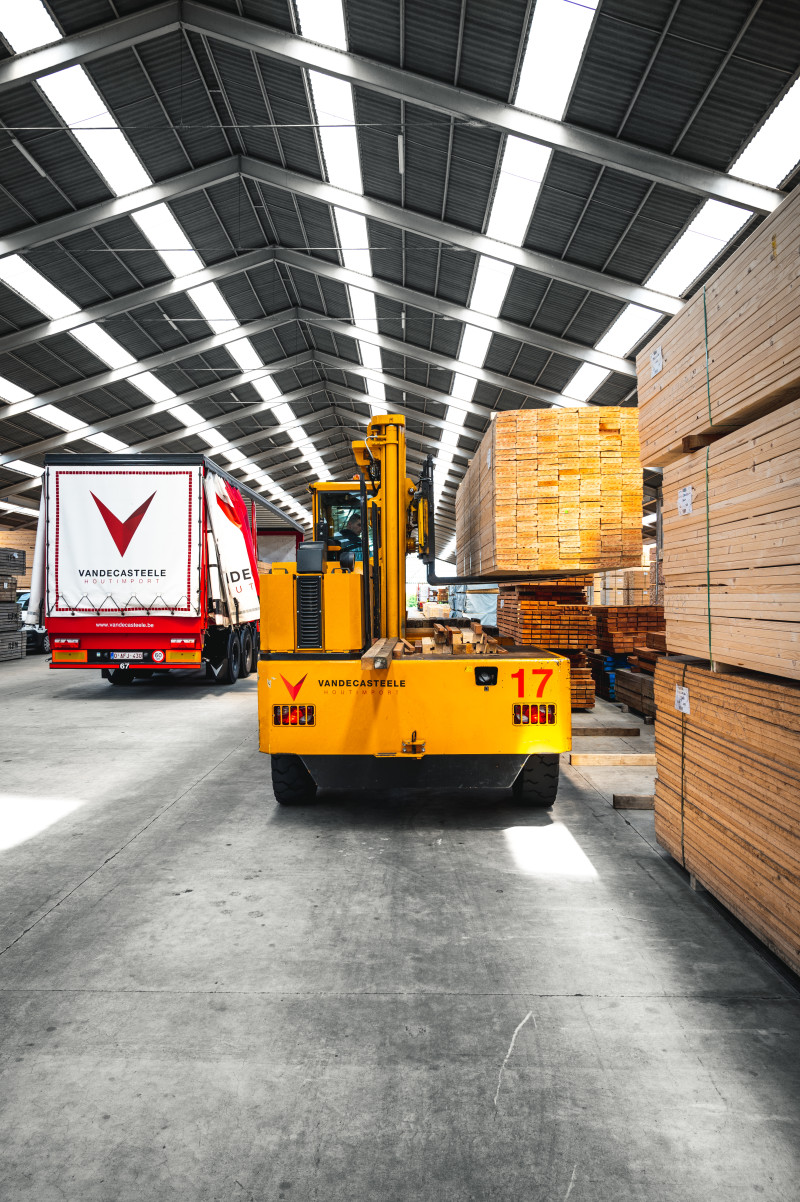
What makes timber structural?
Structural timber is wood that has been graded for its load-bearing capacity and is used in elements that carry weight, such as rafters, joists, studs, beams and posts. Each piece is assessed visually or by machine for knots, slope of grain, density and stiffness. Based on that assessment, it receives a strength class under EN 338, which engineers use in their calculations under Eurocode 5. Without that grading stamp, wood may look sound, but it cannot be used in a load-bearing structure.
Strength classes explained
Softwood strength classes start with the letter C, for coniferous, while hardwood classes start with D, for deciduous. The number that follows indicates the characteristic bending strength in newtons per square millimetre. The classes you will meet most often are the following.
C18 is the standard class that is mostly used in general construction, such as stud walls, roof battens and simple floor joists.
C24 is about a third stronger in bending than C18 and is preferred for longer spans, exposed rafters and engineered roof structures.
Higher softwood classes, such as C30, are found in dense species like Southern yellow pine and are used where loads are heavier.
Hardwood classes such as D24 and D30 apply to oak, while dense tropical species reach D40 and higher for heavy beams and posts.
Because C24 timber can carry more load, it often allows smaller cross-sections or longer spans than C18. The extra cost per cubic metre is therefore frequently compensated by a lighter construction.
Species and products for construction
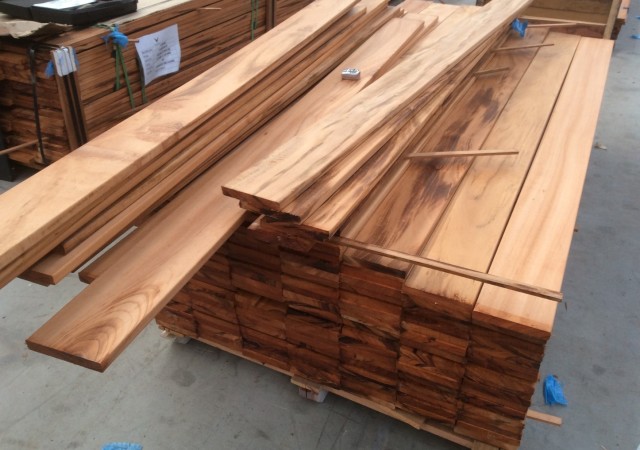
Most structural timber in Europe is softwood from northern forests. Scandinavian redwood and whitewood are the workhorses for roofs and floors, while larch and Douglas fir add natural durability for exposed or partly sheltered structures. For traditional timber frames and visible beams, European oak timber in heavy sections remains a classic choice with a D-class rating. Where the structure stays visible in the finished building, appearance matters as much as strength, and the timber then doubles as architectural timber with a carefully selected surface.
Documentation that passes inspection
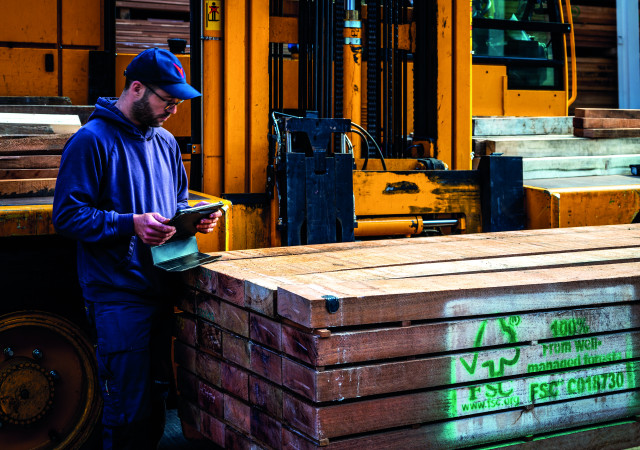
Since the Construction Products Regulation came into force, structural timber placed on the European market must carry CE marking under the harmonised standard EN 14081-1. Our structural timber therefore comes with a declaration of performance stating the species, strength class and grading method. Many public and private projects also require proof of responsible origin, and our certified timber under FSC®, PEFC and other schemes covers that requirement.
Moisture content and treatment
Strength-graded timber is usually kiln dried to a moisture content of around 20 per cent or lower, which reduces shrinkage, twisting and the risk of fungal attack after installation. For interior structures such as floor joists, that is often enough. Timber used in roofs, external walls or other places where it can get damp is commonly pressure treated to the right use class. Matching the treatment to the location of each element extends the service life of the structure considerably. As a timber merchant with more than a century of experience, we gladly advise on the right use class.

Get the right strength class on site
Forward the timber schedule or the strength classes your engineer has specified, together with the delivery date you have in mind. We check the stock, confirm the classes and documentation, and plan the transport around your build. As a timber wholesaler with softwood, oak and tropical hardwood under one roof, we can combine all the construction timber for a project in one delivery.
