
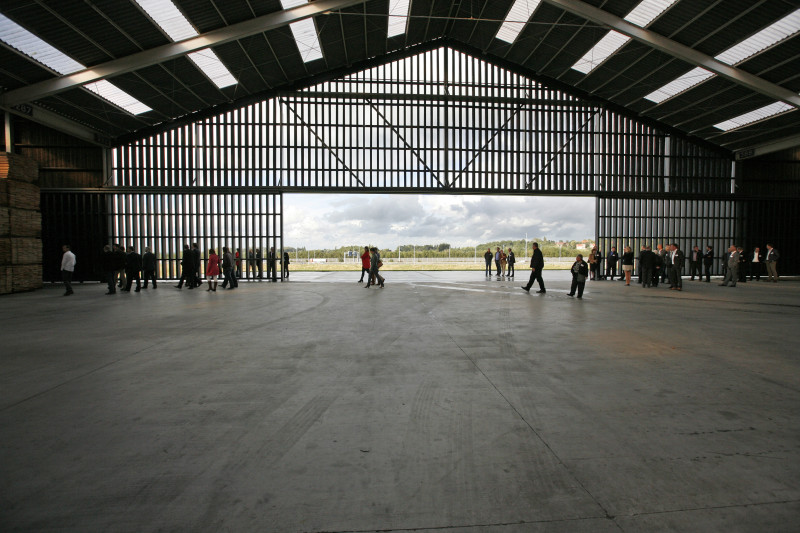
Architectural timber
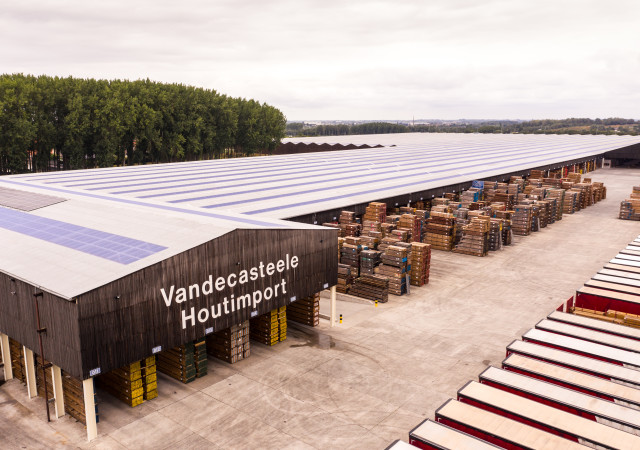
When timber stays visible in a building, every board contributes to the final look. Colour differences between batches, unexpected knots or boards that warp after installation can undermine a design that took months to develop. That is why architectural timber must be selected on appearance and stability as well as strength. Vandecasteele Houtimport supplies architects, joiners and contractors with appearance-grade hardwood and softwood.
Request species advice for your design
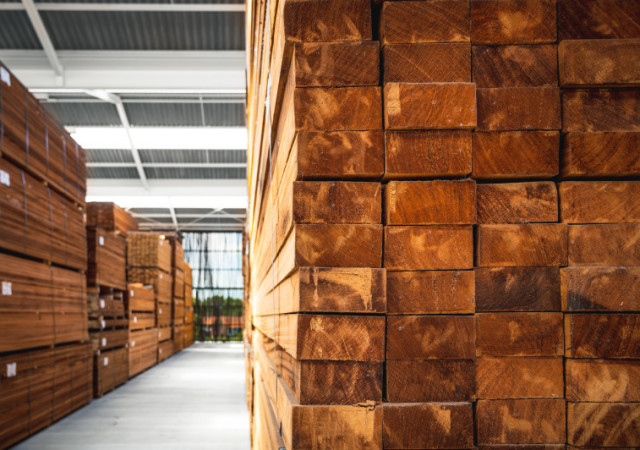
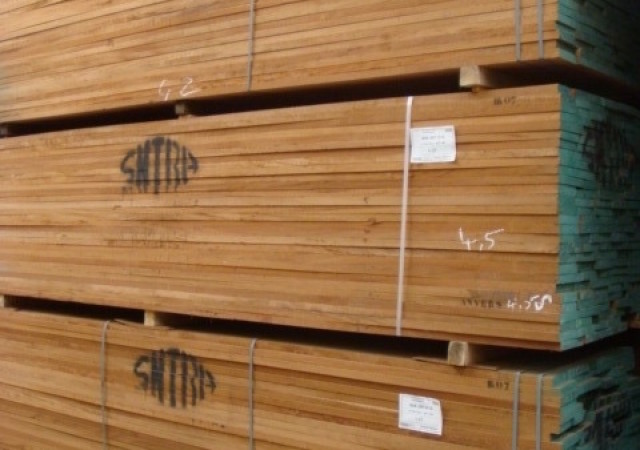
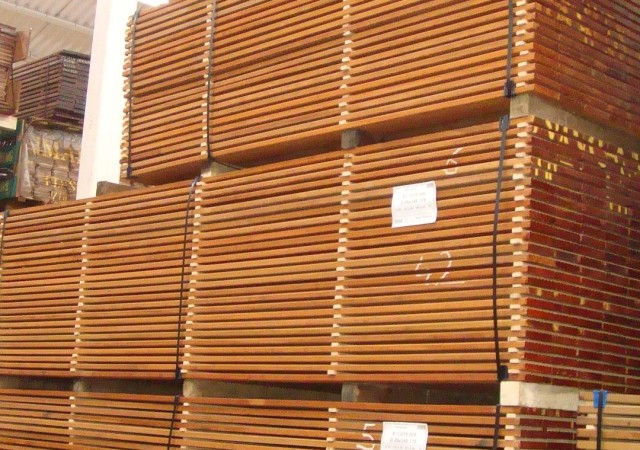
What sets architectural timber apart?
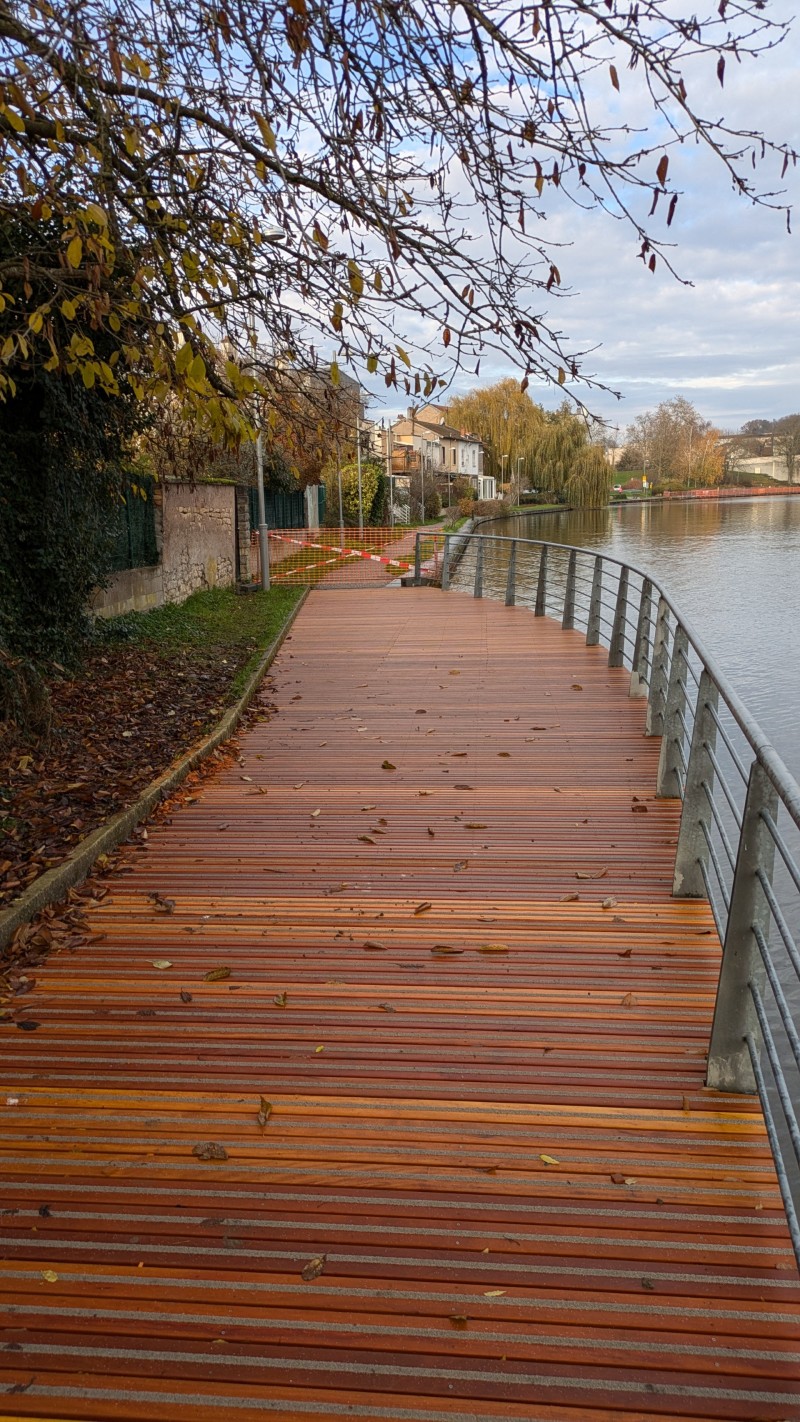
Architectural timber is wood that remains visible in the finished building, inside or outside. Because it is part of the design, the selection criteria go further than those for structural or hidden applications. When we help you choose a species, we look at the following properties:
The appearance of the wood, including its colour, grain pattern and the number and size of knots, must match the visual concept.
Dimensional stability determines whether boards keep their shape as humidity and temperature change through the seasons.
The durability class shows how well and for how long a species resists fungi and insects without chemical treatment.
Weathering behaviour tells you how the colour will change over time, for example when a facade turns silver-grey.
Machinability and finishing determine how cleanly a species can be profiled, sanded, oiled or painted during the process.
Architectural timber for exterior applications
Outdoors, the choice of architectural timber has an immediate effect on maintenance and lifespan. For timber facades, architects often choose larch, thermally modified timber or durable hardwoods that can be left untreated. Thermal modification improves the dimensional stability and durability of softwood without chemicals, which makes it a popular choice for cladding, screens and louvres. Cladding profiles can be supplied with CE marking under EN 14915, so the documentation for your building file is complete.
Hardwood for interiors, joinery and furniture
Indoors, the emphasis shifts to warmth, texture and a refined finish. European oak remains a favourite for staircases, wall panelling, ceilings and bespoke furniture thanks to its characteristic grain and good machinability. When a design calls for a lighter tone and long, clear lengths, American white oak offers a calm appearance with few defects. Both species are available in several grades, from rustic boards with visible character to clear material for the most demanding interiors.

From specification to finished component
A strong design depends on timber that arrives in the right dimensions and condition. For larger projects, it helps to order all the timber in one go, so colour and grain stay as consistent as possible across the building. We can reserve a single batch for your project and machine profiles to your drawings, which reduces work and waste on site. As a timber wholesaler with this many species in stock, we can usually supply the full quantity from one source.
Certified architectural timber for sustainable buildings
Sustainability targets and building assessments such as BREEAM increasingly determine which materials make it into a specification. Our certified timber carries FSC®, PEFC, OLB or Preferred by Nature claims, which allows you to document the responsible origin of every architectural timber element. On request, we also provide environmental product declarations that support the carbon calculations of your project. Our wood has already found its way into projects around the world. Behind that experience stands a timber importer with roots going back to 1883.
Share your design with our sales team
Tell us about the application, the look you have in mind and the quantities you expect. Our sales team will suggest species and grades. You receive advice on availability, processing and delivery time before you finalise your specification. Send us your details to discuss the architectural timber for your design.
