

American white oak
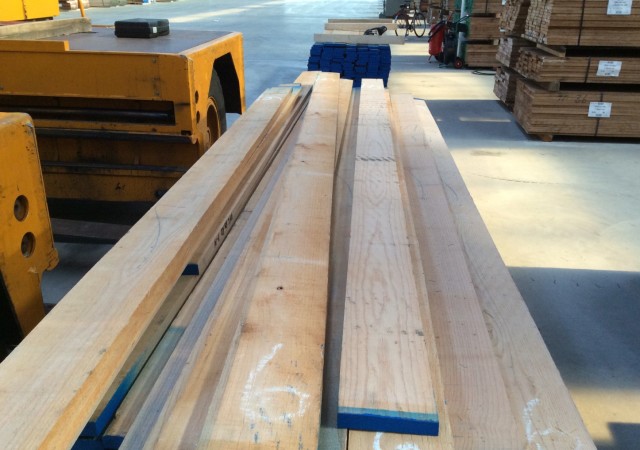
Light, calm interiors with long, uninterrupted boards have become a signature of contemporary design. Achieving that look is difficult when every board shows large knots, sapwood or sharp colour changes. American white oak answers that demand with a pale to mid-brown tone, straight grain and generous lengths. For joinery manufacturers, flooring producers and furniture makers, Vandecasteele Houtimport supplies this North American hardwood in the grades and thicknesses that you require.
Bring light, even oak into your next interior
Where does American white oak come from?
The name American white oak covers a group of closely related species, led by Quercus alba, that grow in mixed hardwood forests across the eastern United States. Together, the white oaks form one of the largest species group in the American hardwood resource, which keeps supply steady and volumes large. Like every oak, it is a broadleaf species, and the difference between hardwood and softwood lies in that botanical origin rather than in hardness alone. Each shipment reaches Europe through our hardwood imports, with the legality documentation required under the EU Timber Regulation and the EUDR.
White oak and red oak are not the same
American oak is sold in two groups that look similar at first sight but behave very differently. In white oak, the pores of the heartwood are blocked by natural growths called tyloses, which make the wood almost watertight. That is why American white oak has been used for wine and whisky barrels for centuries. Red oak lacks those tyloses, has a pinkish tone and is mainly suited to dry interior use.
How does it compare with European oak?
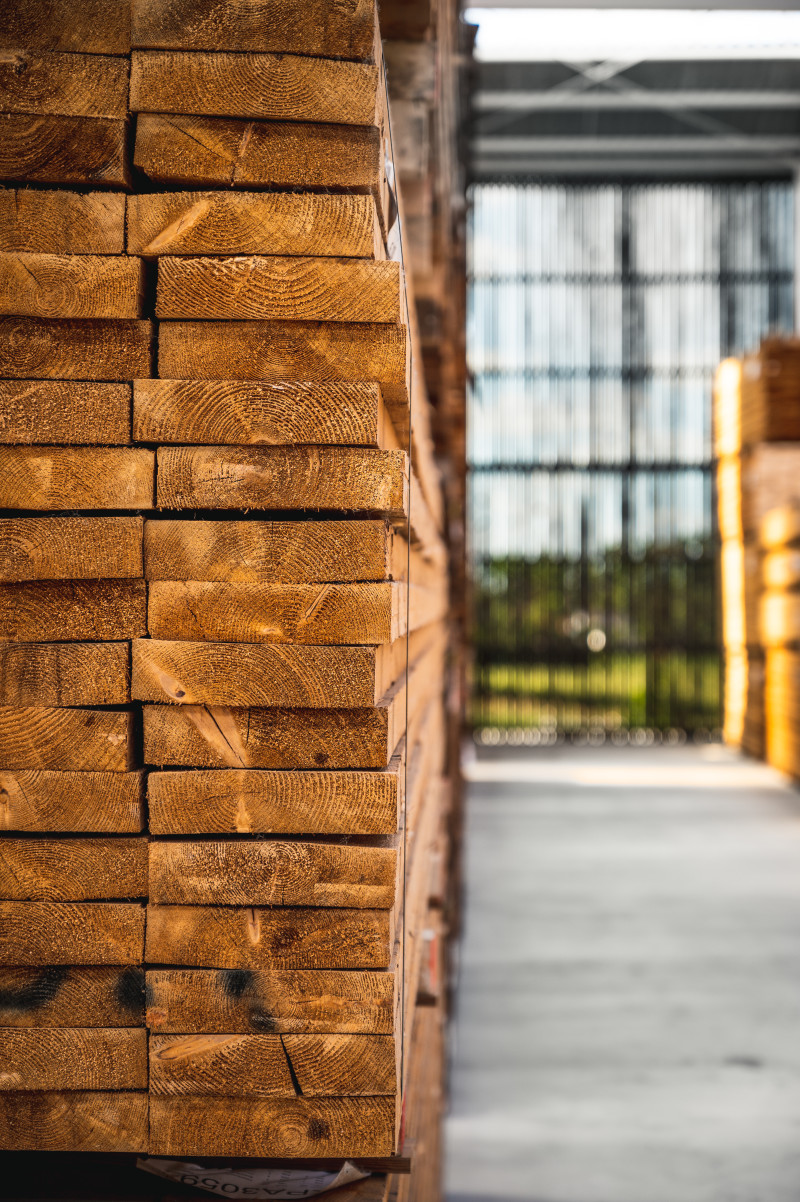
Next to European oak timber, the American variety is usually lighter in colour, more uniform and available in longer, clearer boards. With an average density of around 770 kg/m³, it is also slightly heavier, and structural tests have shown a higher fibre strength. European oak offers more visible character and is generally the better choice for exterior work. Many designers therefore combine both species, using American white oak where a clean, even surface is the priority.
Grades and thicknesses
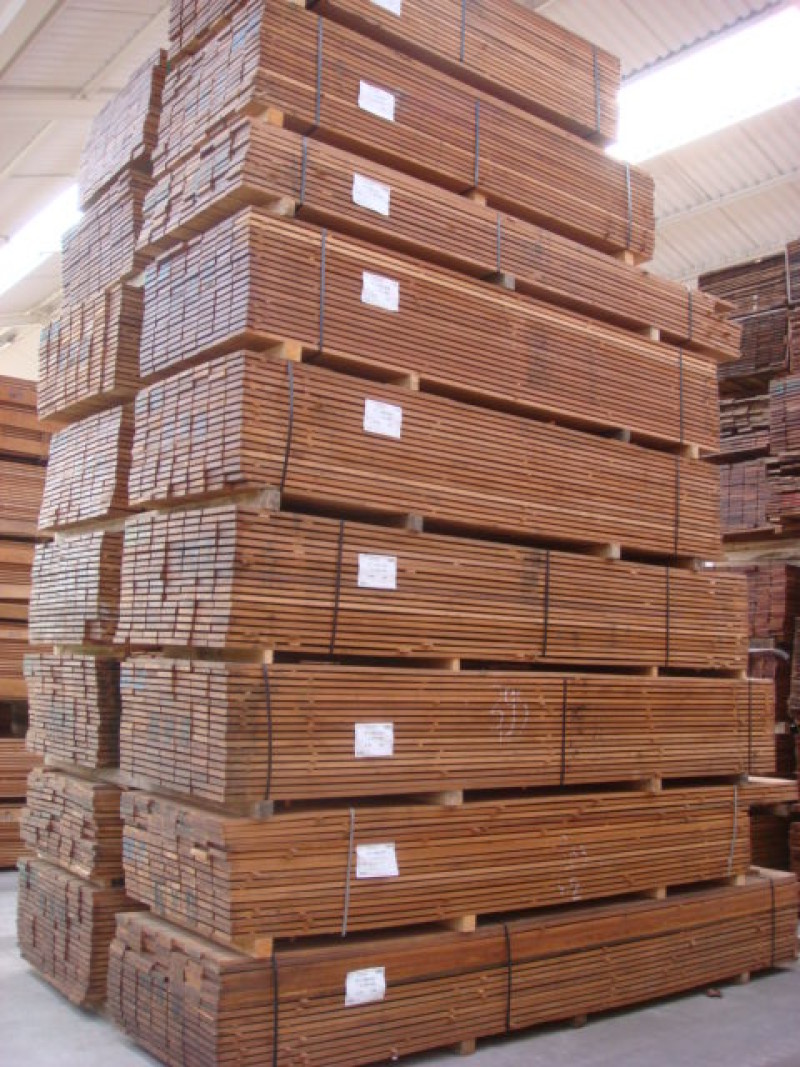
American hardwood is graded under the rules of the National Hardwood Lumber Association, which judge each board on the percentage of clear cuttings it yields. The grades you will see most are:
First and seconds deliver wide, long boards with at least 83 per cent clear wood.
FAS one face has one face in FAS quality and the other in No. 1 Common quality.
No. 1 Common yields shorter clear pieces and offers good value for cabinet parts.
No. 2 Common shows more knots and colour variation and is popular for rustic floors.
Thicknesses follow the American system in quarters of an inch, so 4/4 corresponds to roughly 25 mm.
Where American white oak performs best
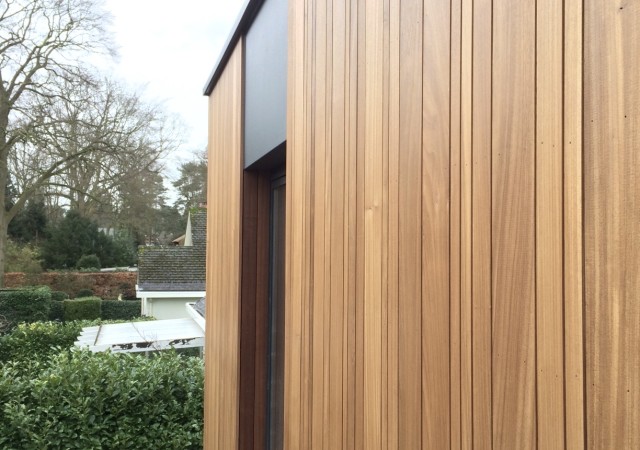
Flooring, staircases, kitchen fronts, interior doors and furniture make up the bulk of its use in Europe. The long, light-coloured rays become visible on quarter-sawn and rift-sawn surfaces, which architects value in wall panelling and ceilings. As architectural timber, it suits interiors that call for a refined finish. Exterior joinery is possible with well-selected heartwood, provided the sapwood is removed and the timber is protected with a suitable finish.
Points to consider before you build
American white oak is kiln dried to a moisture content of around 8 to 10 per cent. This suits heated interiors but means boards can swell when they are moved to a damp workshop. Its shrinkage values are high, so allowing the wood to acclimatise for a few days pays off. Pre-boring is recommended for nails and screws, and stainless steel or other non-ferrous fixings prevent the dark stains that tannins cause in contact with iron. With these precautions, the wood machines, stains and polishes very well. Our hardwood specialists are happy to advise on the details for your project.
Choose the grade and thickness you need
Pass on the grade, thickness and volume you have in mind, together with the application, and we will confirm what is available and when it can be delivered. If a different grade offers better value for your components, you will hear that too. As a wholesale supplier of hardwood, we can also add other species to the same order. Talk to our team and plan your next production run with confidence.
