
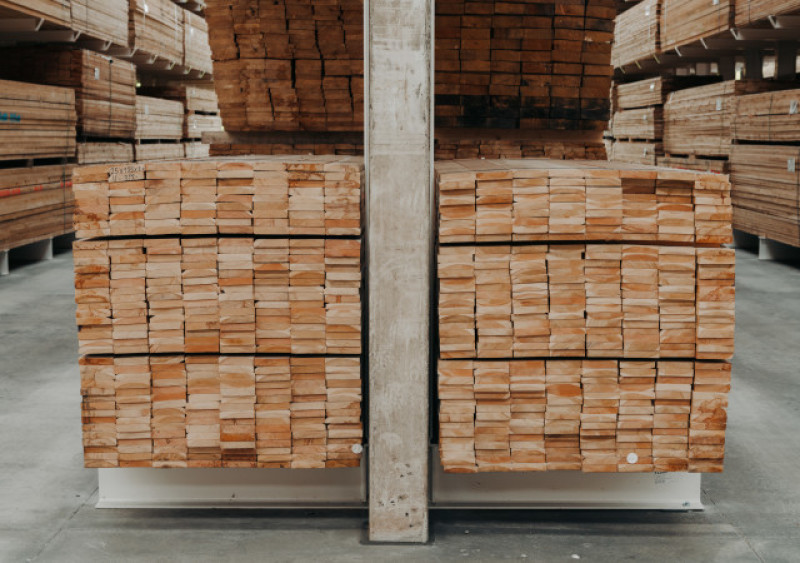
What is the difference between hardwood and softwood?
The difference between hardwood and softwood is botanical. Hardwood comes from angiosperms, which are flowering, mostly broadleaved trees. Their seeds are enclosed in a fruit or nut. Examples are oak, ash, beech and teak. Softwood comes from gymnosperms, which are conifers with needles and cones, such as pine, spruce, larch and Douglas fir. In most cases hardwoods are indeed denser and harder, but there are clear exceptions in both groups. So, when someone asks what the difference between hardwood and softwood is, the most accurate answer is the type of tree the wood comes from. Vandecasteele Houtimport works with these differences every day.
Pick the right timber group for your project
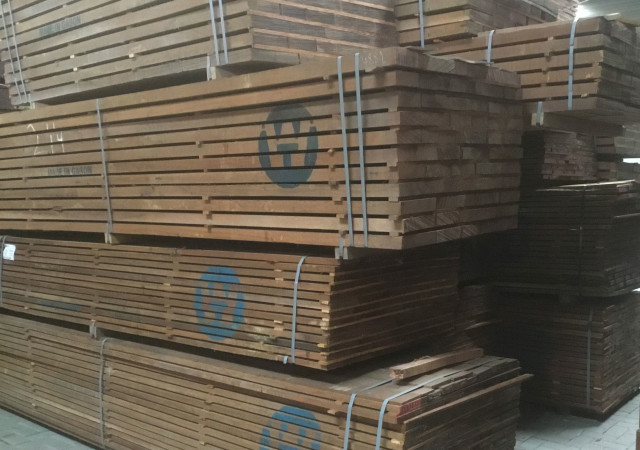
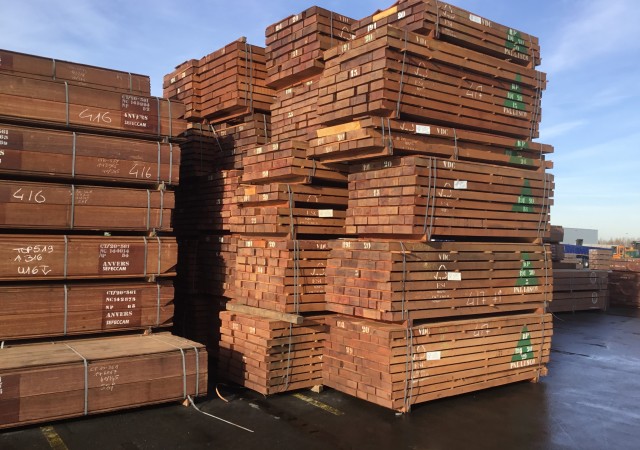

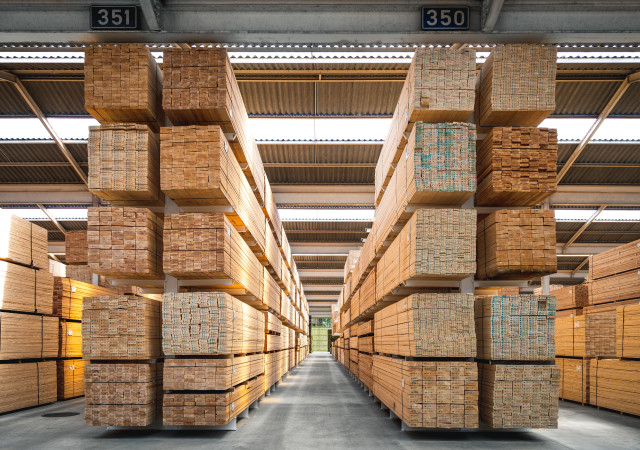
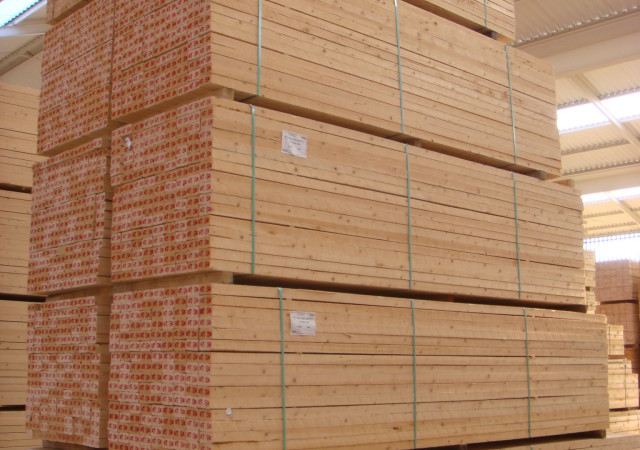
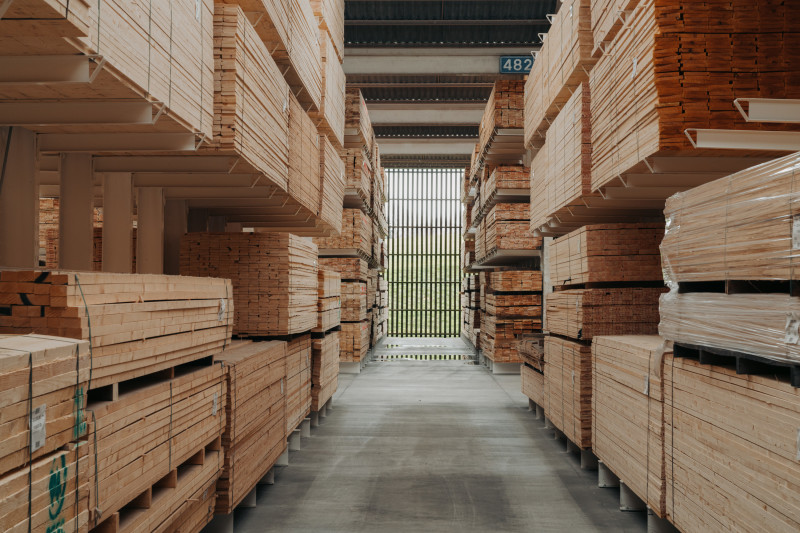
Three key differences
Apart from the botanical origin, the two groups you can find at our timber company differ in structure, growth and use. These are the differences that matter most in practice:
Hardwoods contain vessels, also called pores, that transport water, while softwoods use long cells called tracheids and often contain resin canals.
Softwood trees generally grow faster and straighter, which makes softwood more widely available and usually more affordable than hardwood.
Hardwoods offer a greater variety of colours, grain patterns and densities, while softwoods are more uniform and easier to machine in large volumes.
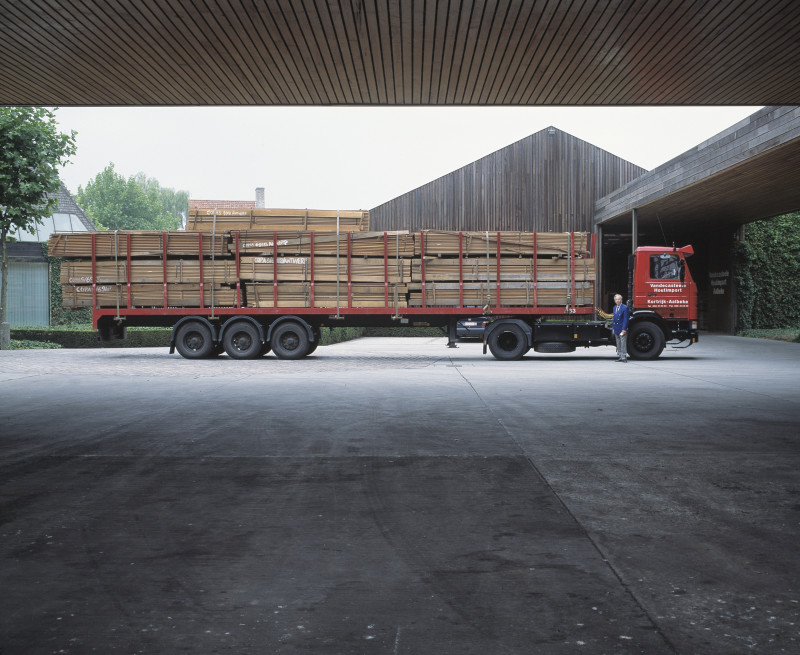
Examples of hardwood and softwood
Well-known hardwoods include oak, beech, ash, maple, walnut, meranti, ipe and teak. European oak timber is one of the most widely used hardwoods in Europe, valued for furniture, joinery and beams. Typical softwoods are Scots pine, spruce, larch, Douglas fir and Western red cedar. Pine is a softwood too, and Scandinavian redwood, which is Scots pine from Nordic forests, is widely used in construction and joinery.
Hardness and durability are not the same thing
Density and natural durability vary widely within each group. Balsa, a hardwood, is one of the lightest woods in the world, while yew, a softwood, is harder than many hardwoods. Durability also depends on the species rather than the group. Beech and poplar are hardwoods with little natural resistance outdoors, whereas larch and cedar heartwood perform reasonably well. Exterior projects call for a species with the right durability class, and wood that lasts outdoors can come from either group.

Advantages and disadvantages of each group
Once you know what the difference between hardwood and softwood is, the pros and cons of each group become much clearer. Softwood is light, easy to work and cost-effective, which is why most construction timber, roof structures and studs are made of it. Its disadvantages are a lower natural durability for many species, a softer surface that dents more easily and the need for treatment when used outdoors. Hardwood offers greater wear resistance and often a higher natural durability, which makes it ideal for exterior joinery. In return, it is heavier, harder to machine and more expensive.
Which one should you choose?
The best choice depends on the application, the budget and the look you want. For load-bearing structures and general construction, strength-graded softwood is usually the most efficient option. For surfaces that take heavy wear, visible joinery and long-lasting outdoor use, a suitable hardwood is often the better investment. Understanding what the difference between hardwood and softwood is makes that choice much easier, especially when you compare species side by side. With around 140 species in our stock, both groups can be combined in a single delivery.
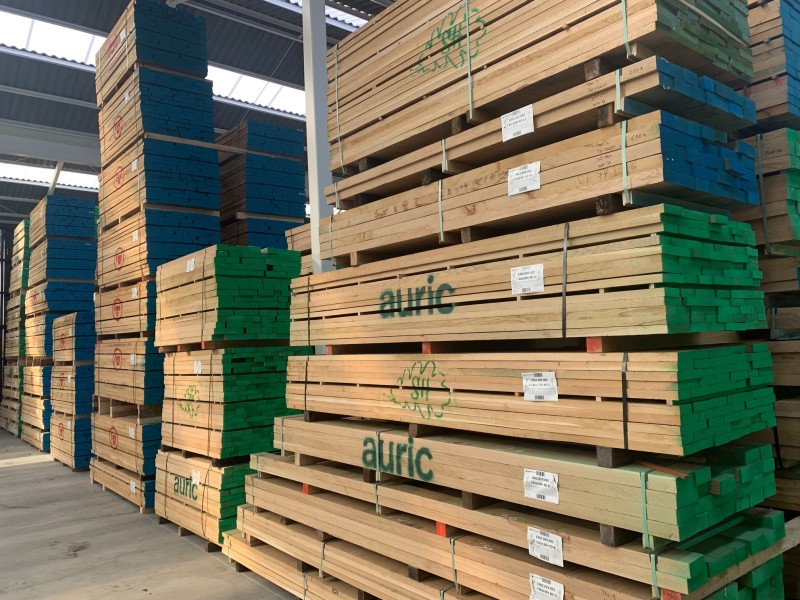
Find the right species for your application
Describe what you are building, where the wood will be used and how it should look, and we will suggest suitable hardwood or softwood species. You receive advice on availability, dimensions and certification from an importer of hardwood and softwood with five generations of experience. Contact our advisers to find out which group and species fit your plans.
