
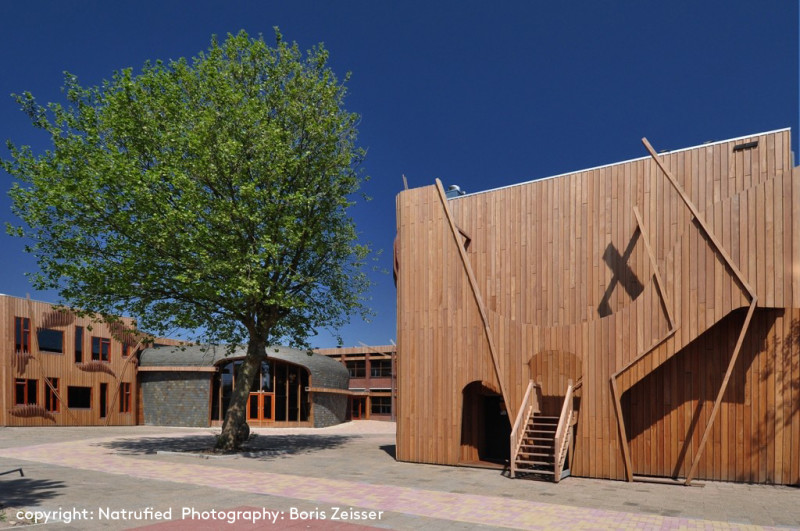
What wood is best for outdoor use?
For ground contact, fresh water or heavy foot traffic, a hardwood with durability class 1 or 2, such as teak, offers the longest service life without treatment. For above-ground applications such as cladding and fencing, moderately durable species like larch, Douglas fir or thermally modified timber perform well when the design keeps water from standing on the wood. Pressure-treated softwood remains the most economical option for posts, joists and garden structures. So what wood is best for outdoor use is ultimately decided by the combination of species, treatment and application. Vandecasteele Houtimport helps architects, contractors and landscapers make that choice every day.
Find the outdoor species that lasts in your conditions

Durability classes and use classes
Two European standards make it possible to compare timber objectively. EN 350 rates the natural durability of the heartwood of each species against fungi, from class 1, very durable, to class 5, not durable. EN 335 describes the conditions the wood will be exposed to, divided into five use classes:
Use class 1 covers dry interiors where the wood never gets wet.
Use class 2 covers sheltered places where the wood can occasionally get damp.
Use class 3 covers exterior wood above ground that is exposed to rain.
Use class 4 covers wood in contact with the ground or fresh water.
Use class 5 covers wood that is permanently exposed to seawater.
The higher the use class, the more durable the species or the treatment needs to be. Only the heartwood counts, as sapwood offers little natural resistance in almost every species.
The best wood per application
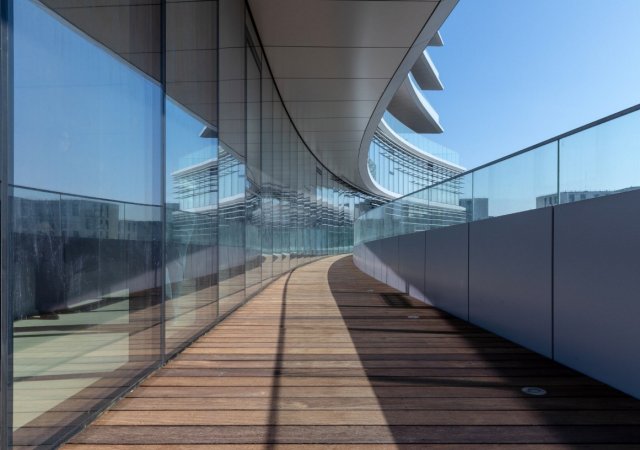
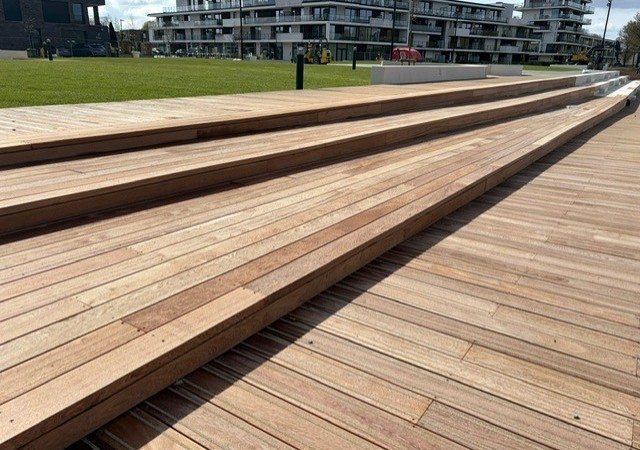
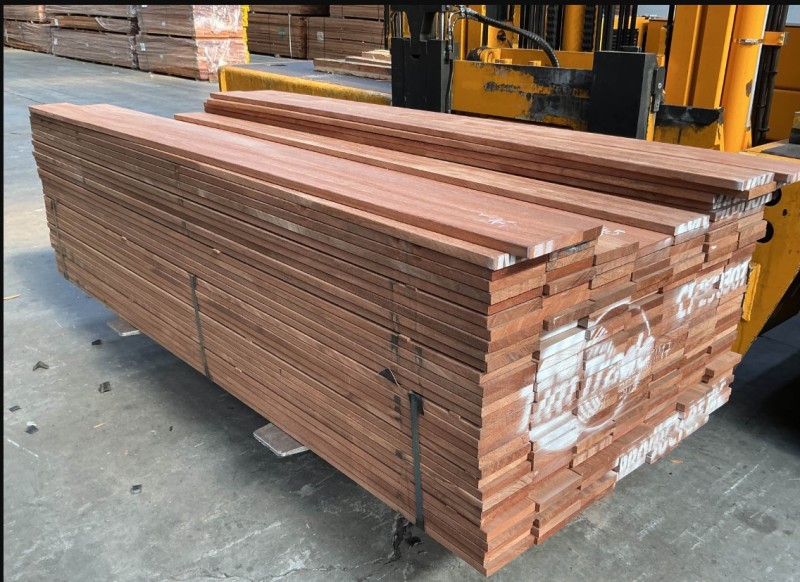
For decks and terraces, dense tropical species are the reference. Ipe wood is one of the hardest and most durable options, while species such as cumaru and bangkirai offer a good balance between price and performance. For facades, lighter woods are preferred, and timber facades are often clad with larch or thermally modified softwood that weathers to a silver-grey patina. Fence posts and other wood in ground contact need durability class 1 or a treatment certified for use class 4.
Hardwood, softwood or modified wood
When you weigh up what wood is best for outdoor use, tropical hardwoods offer the highest natural durability, but they are heavier, harder to work and more expensive. European hardwoods such as oak perform well above ground, although their heartwood is less durable than that of the best tropical species. Softwoods are light, affordable and easy to install, but most need impregnation to last outdoors. Choosing the right hardwood decking timber or cladding therefore always means weighing durability, appearance, weight and budget against each other.
Design matters as much as the species
Even the most durable wood will fail if water cannot drain away. Good detailing keeps the timber away from the soil, leaves gaps between boards and allows air to flow behind cladding and under decks. End grain absorbs water quickly, so it should be sealed or protected. Stainless steel fixings prevent black stains, especially with tannin-rich species such as oak and ipe. Untreated wood will turn silver-grey, while oils and stains keep the original colour for longer but require regular maintenance.
A responsible outdoor choice
Knowing what wood is best for outdoor use also means knowing where it comes from. Our certified timber for exterior projects carries FSC®, PEFC, OLB or Preferred by Nature claims, and every shipment is covered by due diligence under the EU Timber Regulation and the EUDR. That allows you to choose a durable tropical hardwood or a European alternative with full confidence. With around 140 species in our trade timber stock, both options are usually available for the same project.
Match the species to your outdoor project
Describe the application, the exposure and the look you are aiming for. We will recommend the species, treatment and dimensions that suit your conditions. You also receive current availability and the documentation that comes with each species, prepared by a timber company with five generations of experience. Speak to our advisers before you finalise your specification.
