
Ipe wood
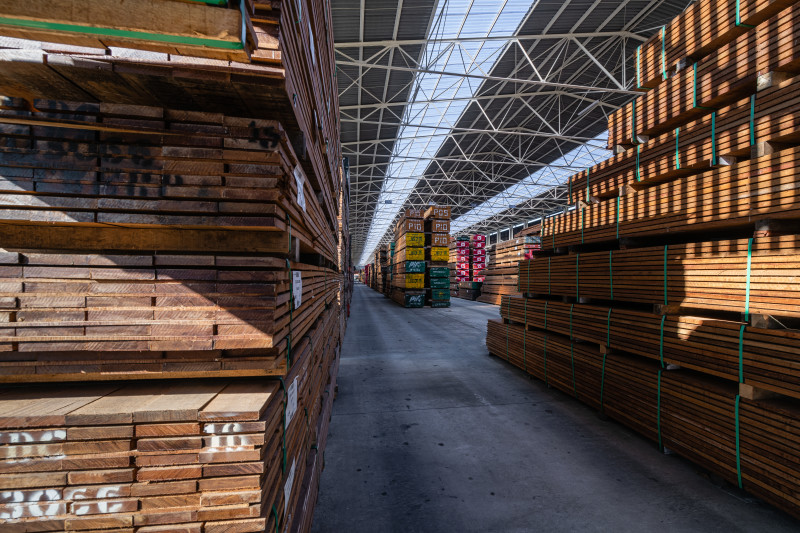
Decking and boardwalks take more punishment than almost any other part of a project, from constant foot traffic to rain and frost. Softer species wear, splinter or rot within a few years, which leads to complaints and costly replacements. Ipe wood is one of the few timbers that can handle these conditions for decades without chemical treatment. Vandecasteele Houtimport imports and stocks ipe wood for merchants, landscapers and contractors who need a hardwood that simply lasts.
Request a quote for ipe wood
What is ipe wood?
Ipe is the trade name for several species of the Handroanthus genus, formerly classified as Tabebuia, which grow in the tropical forests of South America. Most commercial ipe wood comes from Brazil and Bolivia. The heartwood is olive brown to dark brown, sometimes with lighter or darker stripes, and it gradually turns silver-grey when left untreated outdoors. Because of its colour and weight, the timber is sometimes sold under the name Brazilian walnut, although it is not related to true walnut.

Exceptional hardness and durability
Ipe is one of the densest commercial hardwoods, with an air-dry density of more than 1,000 kg/m³. That weight translates into extreme hardness, which makes the surface highly resistant to wear and impact. Under EN 350, the heartwood is rated durability class 1, the highest category, and it is suitable for use class 4, which includes ground contact and fresh water. Movement in service is limited for such a heavy timber, so boards stay flat and stable when they are correctly installed.
Ipe compared with teak and other species
Ipe is harder and heavier than teak and usually lasts longer in direct contact with water or soil. Teak, on the other hand, is easier to work and remains the reference for yacht decks and fine outdoor furniture, which is why we also stock marine teak for boatbuilders. In terms of price, ipe wood sits at the upper end of the decking market. If you are still weighing up the options, our guide to the best wood for outdoor use compares durability, appearance and maintenance across species.
Applications of ipe wood
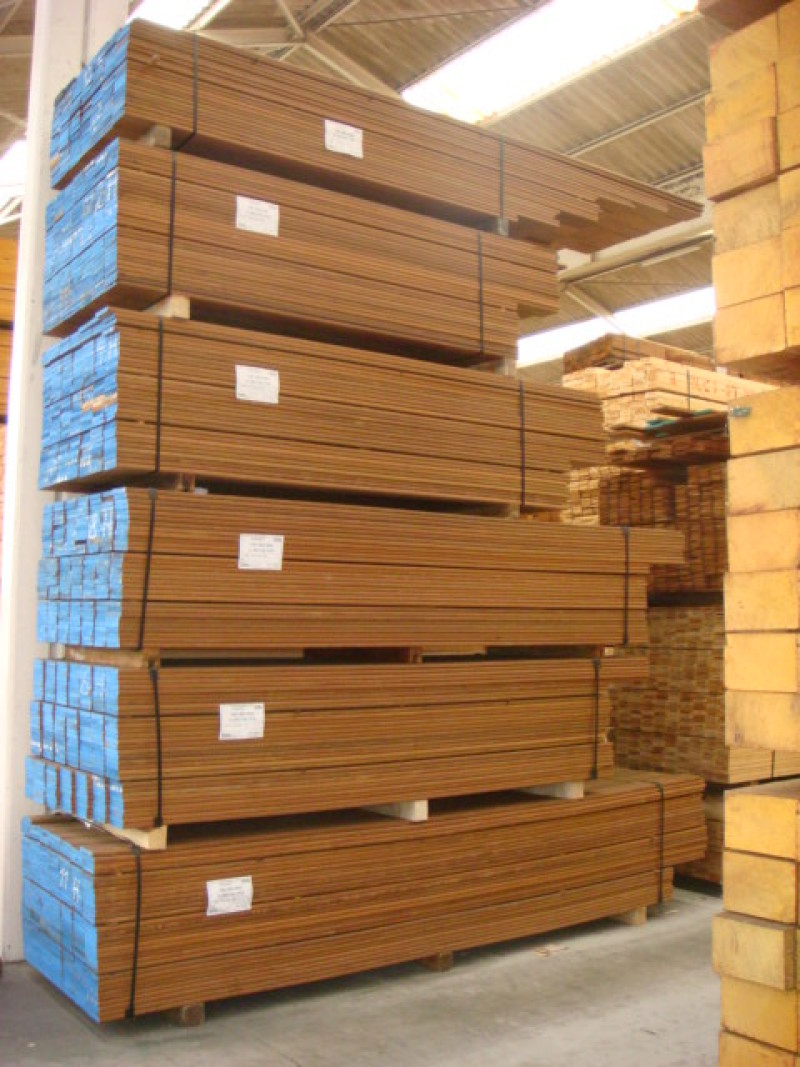
Its durability and hardness make ipe a first choice for hardwood decking timber and other outdoor work that must perform with minimal maintenance:
Terraces, pool surrounds and balconies benefit from its wear resistance.
Boardwalks, jetties and bridges in public spaces rely on its long service life and strength.
Facade cladding and screens use it where a refined look and minimal upkeep are required.
Outdoor furniture and benches profit from its weight and stability.
Tips for working with ipe
The same density that makes ipe so durable also calls for the right techniques on site. Tools blunt quickly, so carbide-tipped blades and drill bits give the cleanest results. Pre-drilling every screw hole and using stainless steel fixings prevents splitting and staining. The fine dust can irritate the skin and airways, so extraction and a dust mask are recommended when sawing or sanding.
CITES documents and legal sourcing
Since 25 November 2024, all ipe species are listed in Appendix II of CITES, which covers logs, sawn wood, veneer, plywood and transformed wood such as profiled decking boards. Every shipment into the EU therefore needs a CITES export permit from the country of origin and an EU import permit. Because we handle our own timber import, we arrange these permits and the due diligence under the EU Timber Regulation and the EUDR that applies from 30 December 2026. At our timber company, you receive ipe wood with complete and traceable documentation.
Send us your ipe requirements
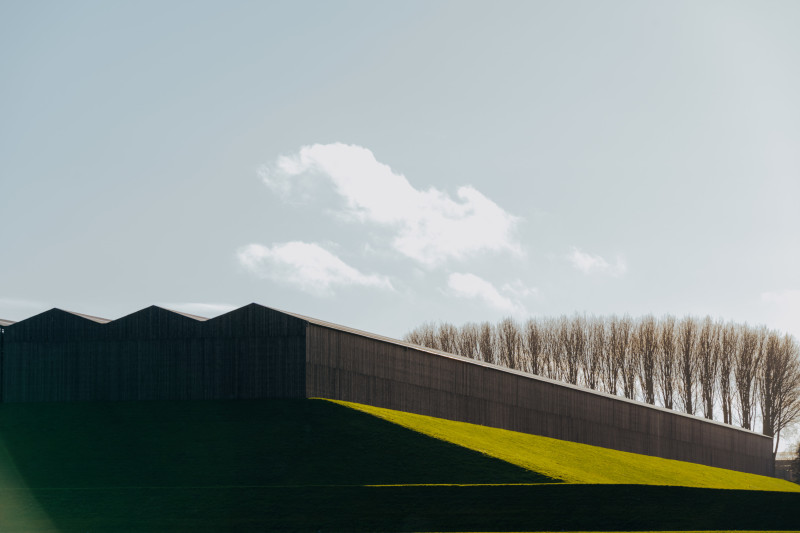
As a timber wholesaler, we keep ipe in common decking and construction dimensions in covered storage. Tell us the dimensions, profiles and volumes you need, and our sales team will confirm availability and prepare a quote. You also receive the CITES and certification documents that apply to your order. Ask for your quote to get your project moving.
