

Afrormosia wood
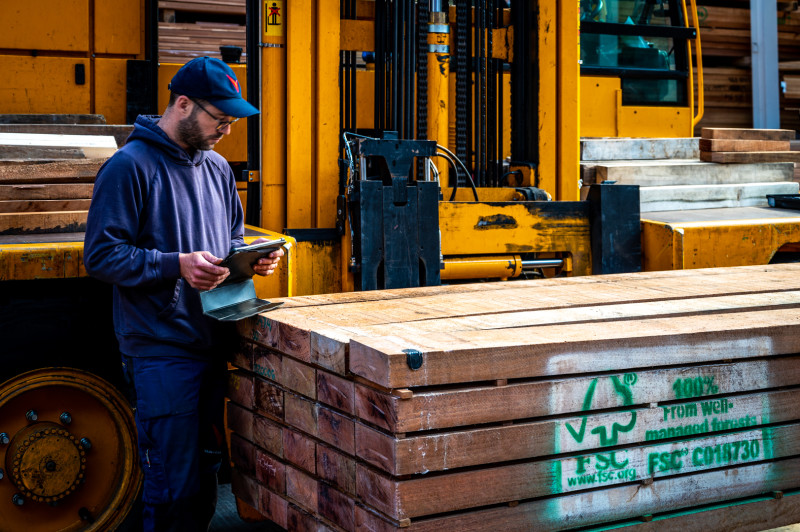
Many architects and joiners still have teak in mind when they picture a warm, refined hardwood. High-quality teak is scarce and expensive. Afrormosia wood offers a similar golden-brown appearance with excellent durability, and it is traded under strict international controls. Vandecasteele Houtimport brings this African hardwood to European workshops with all the permits and documents in order.
Swap teak for a documented African hardwood
A closer look at afrormosia
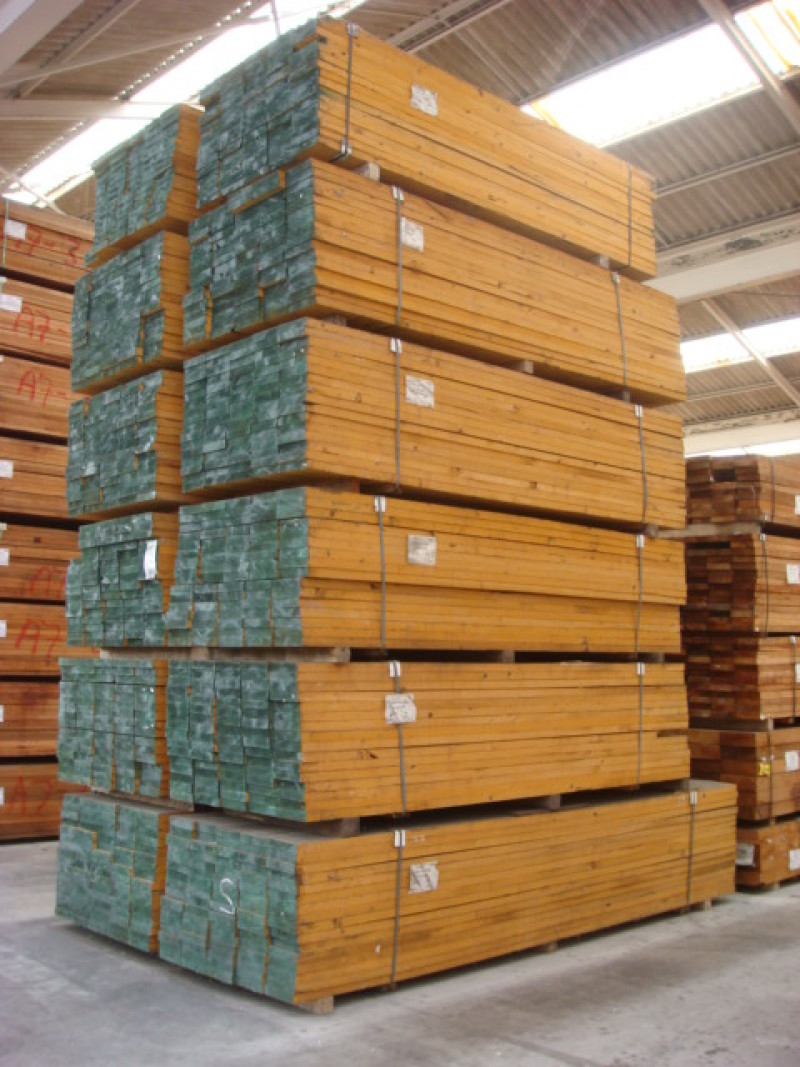
Afrormosia is the trade name for Pericopsis elata, a large tree from the moist forests of Central and West Africa. The Democratic Republic of the Congo holds the largest remaining stocks. In French-speaking markets, the same timber is sold as assamela. Freshly cut heartwood is yellowish brown, often with a reddish or olive tint. The narrow, pale sapwood is clearly distinct from the heartwood and is removed for exterior use. Because the trees grow tall with straight trunks, afrormosia is one of the African species we can supply as a hardwood wholesaler in generous lengths and widths.

How does afrormosia compare with teak?
The resemblance in colour and fine texture is why afrormosia wood is often called African teak. Unlike teak, it does not feel oily, so it glues and finishes without special preparation. It is also somewhat denser and stiffer, with a density of around 690 to 710 kg/m³ at 12 per cent moisture content. In terms of cost, afrormosia sits in the upper segment of tropical hardwoods, but it is usually easier to obtain in long, clear lengths than teak of a comparable grade. For yacht decks, however, many builders still prefer well-selected marine teak, as its natural oils give a different feel and grip.
Built to last outdoors
Under EN 350, the heartwood of afrormosia wood is rated very durable to durable, in class 1 to 2, and it is suitable for use class 4. That means it can be used in ground contact and in permanently damp conditions without chemical preservation. Its movement in service is limited, so frames, doors and decking boards keep their shape well. Durability class, stability and maintenance all count when choosing wood for outdoor use, and afrormosia scores well on all three.
Where does afrormosia wood perform best?
The combination of durability, stability and a fine appearance opens a wide range of applications. Exterior joinery such as windows, doors and conservatories is a classic use, especially where the wood is left visible under a clear finish. Boatbuilders value it for rails and interior fittings, and it is also used for terraces, staircases, parquet and high-end furniture. For painted window frames where cost matters more than natural durability, dark red meranti can be a sensible alternative.
Protected species, documented supply
Afrormosia has been listed in Appendix II of CITES since 1992 and is classified as endangered on the IUCN Red List. International trade is allowed, but only with CITES export permits from the producing country and an import permit when the timber enters the EU. We organise those documents through our own import chain with the due diligence required under the EU Timber Regulation and the EUDR. As a result, afrormosia wood reaches you with a traceable origin that you can show to inspectors.
Check if afrormosia suits your project
Describe the application, the dimensions and the finish you are planning, and we will tell you whether afrormosia is the right fit or suggest a better-suited species. Because we keep around 140 species in stock, a specialist in tropical hardwood like us can usually offer a workable alternative when afrormosia is not the best match. Send us your cutting list for a tailored offer.
